

cost of tempered glass panels
Making a Welding Table A Comprehensive Guide Welding is an essential skill in many industries, from automotive repair to metal fabrication. A good welding table can significantly enhance your work quality and efficiency. In this article, we’ll walk you through the process of making your own welding table, covering materials, construction steps, and tips to ensure it meets your needs. Materials Needed When constructing your welding table, choosing the right materials is crucial. Here’s a list of items you’ll need 1. Tabletop A steel plate is ideal. A thickness of 1/4 inch or more is recommended to withstand the heat and weight of various projects. Commonly, a 4x4-foot or 4x8-foot plate is used, depending on your workspace. 2. Frame You can either use square or rectangular steel tubes for the legs and supports. Tubes with a thickness of at least 1/8 inch are recommended for stability. 3. Wheels (optional) If you want your table to be mobile, add heavy-duty casters with locks. 4. Welding gear Ensure you have appropriate personal protective equipment (PPE), such as a welding helmet, gloves, and a fire-retardant jacket . 5. Tools You will need a welding machine, an angle grinder, a drill, measuring tape, and a level. Step-by-Step Construction 1. Design Your Table Before cutting any material, sketch out your design. Consider the size and shape that will work best for your projects. A square or rectangular table is usually most versatile. Ensure your design includes dimensions that allow enough workspace and room for larger projects. making a welding table 2. Prepare the Top Plate Cut the steel plate to the desired dimensions if it isn't already. Make sure to wear protective gear while cutting to avoid injuries. 3. Build the Frame Cut the steel tubes for the frame. You will need two long pieces for the length and two shorter pieces for the width, along with additional vertical supports based on your design. 4. Assemble the Frame Using your welding machine, start by welding the corners of the frame together. Ensure that each joint is secure and that the frame remains level. A square frame will ensure that your tabletop doesn’t warp as you work. 5. Attach the Tabletop Once the frame is complete and cooled, place the steel plate on top. Secure it by welding along the edges or using bolts if you prefer a removable top. Ensure the plate is flush and even with the frame to avoid any wobbling during use. 6. Add Legs (if applicable) For a stable work surface, attach steel tubes as legs. If you’re using wheels, attach the casters to the bottom of the leg tubes. Make sure the legs are evenly positioned, as this will impact the stability of your table. 7. Finish the Table Grind down any sharp edges and clean the surface of the table to remove any weld spatter. This will help prevent injuries and improve your working environment. 8. Test Your Table Before using your new welding table for substantial projects, test its stability with some lighter tasks. Ensure everything is securely attached, and adjust as necessary. Additional Tips - Add Accessories Consider adding features like a vise, electrical outlets, or a magnetic tool holder to enhance your table's functionality. - Surface Protection To prolong the lifespan of your welding table, consider applying a protective coating or paint designed for high temperatures. - Storage Solutions Utilize below-table storage solutions for tools and supplies, helping maintain a clean and organized workspace. Conclusion Creating your own welding table can be a rewarding project that not only improves your welding setup but also adds a personal touch to your workspace. By carefully selecting materials, following construction steps, and incorporating additional features, you’ll have a sturdy, functional table tailored to your specific needs. Happy welding!
about
cost of tempered glass panels
The Revolution in Concrete Reinforcement Plastic Rebar Support Chairs In the realm of construction and engineering, innovation often lies in the minutiae, the subtle changes that significantly impact overall efficiency and durability. One such innovation is the introduction of plastic rebar support chairs, an alternative to traditional steel or metal supports used in concrete reinforcement. These chairs, made primarily from high-density polyethylene (HDPE), have been transforming the way construction professionals approach their work. Rebar, or reinforcing bar, is a critical component in concrete structures, providing tensile strength to counterbalance concrete's inherent weakness in tension. Historically, steel or metal chairs have been employed to hold the rebar in place during the pouring and setting of concrete. However, these materials come with their own set of challenges, including rusting, corrosion, and potential damage to the rebar. Plastic rebar support chairs, on the other hand, offer a range of advantages. Their non-corrosive nature eliminates the risk of rust or chemical reactions with the concrete, ensuring a longer lifespan for the structure. They are also lightweight, making them easier to handle and position on site, thus increasing productivity and reducing labor costs. Moreover, their resilience to weather conditions and UV radiation ensures they maintain their structural integrity over time. One of the most significant benefits of plastic rebar chairs is their design flexibility One of the most significant benefits of plastic rebar chairs is their design flexibility One of the most significant benefits of plastic rebar chairs is their design flexibility One of the most significant benefits of plastic rebar chairs is their design flexibility plastic rebar support chair . They can be easily adjusted to accommodate various rebar sizes and spacing requirements, providing a tailored solution for diverse construction projects. Additionally, their inherent buoyancy in water makes them ideal for underwater construction, where traditional metal supports may pose challenges. Furthermore, the use of recycled plastics in the production of these chairs contributes to sustainable construction practices. It not only reduces waste but also decreases the reliance on non-renewable resources, aligning with the global push towards eco-friendly building solutions. Despite their numerous benefits, the adoption of plastic rebar support chairs has faced some resistance due to the perception of plastic as a less durable material. However, numerous studies and real-world applications have proven their effectiveness and longevity, dispelling these misconceptions. In conclusion, the advent of plastic rebar support chairs represents a significant stride in the evolution of construction technology. They embody a perfect blend of functionality, durability, and sustainability, offering a promising alternative to traditional methods. As the industry continues to seek innovative solutions, the role of plastic rebar support chairs in enhancing construction efficiency and durability is likely to grow more prominent.
-

High quality industrial productsagement

High quality industrial products
View Details -

Meet the diverse needs of customers

Meet the diverse needs of customers
View Details -

Strict quality control

Strict quality control
View Details -

Top raw materials

Top raw materials
View Details -

Trusted supplier

Trusted supplier
View Details
Our application

news and information
Válvula Principal de Água - Soluções Eficientes para Controle de Água
Válvula Principal de Água A Vital Importância no Sistema Hidráulico A válvula principal de água é um
Welding table provider
Welding Table Suppliers Essential Partners for Precision Welding In the realm of industrial fabric

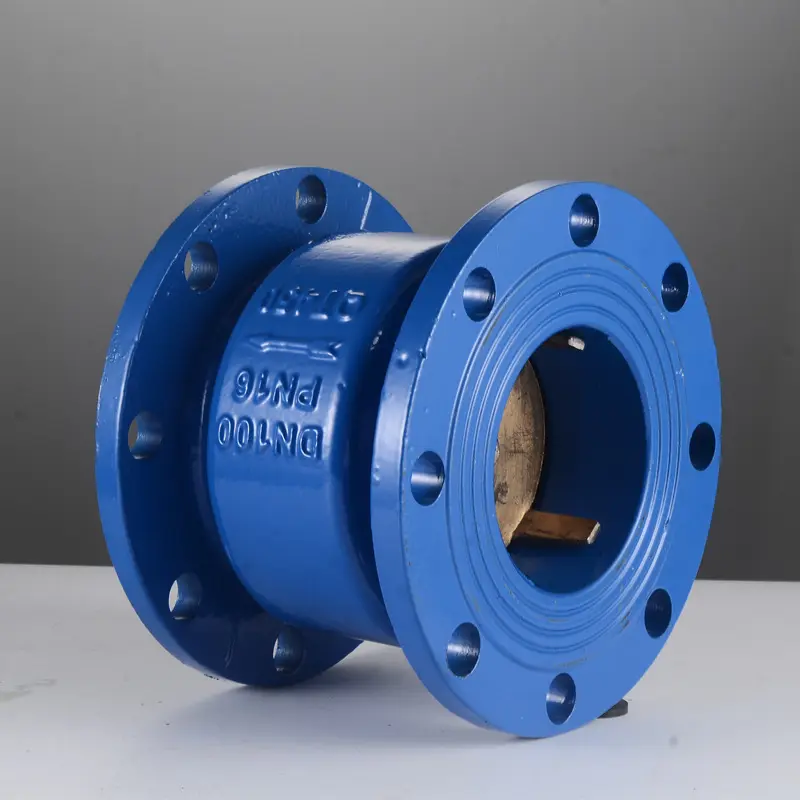
Valvola di ritegno libera
Valvole di Chiusura Un Elemento Fondamentale nelle Infrastrutture Industriali Le valvole di chiusura
 English